
Home
>
Products
>
Multihead Weigher
>
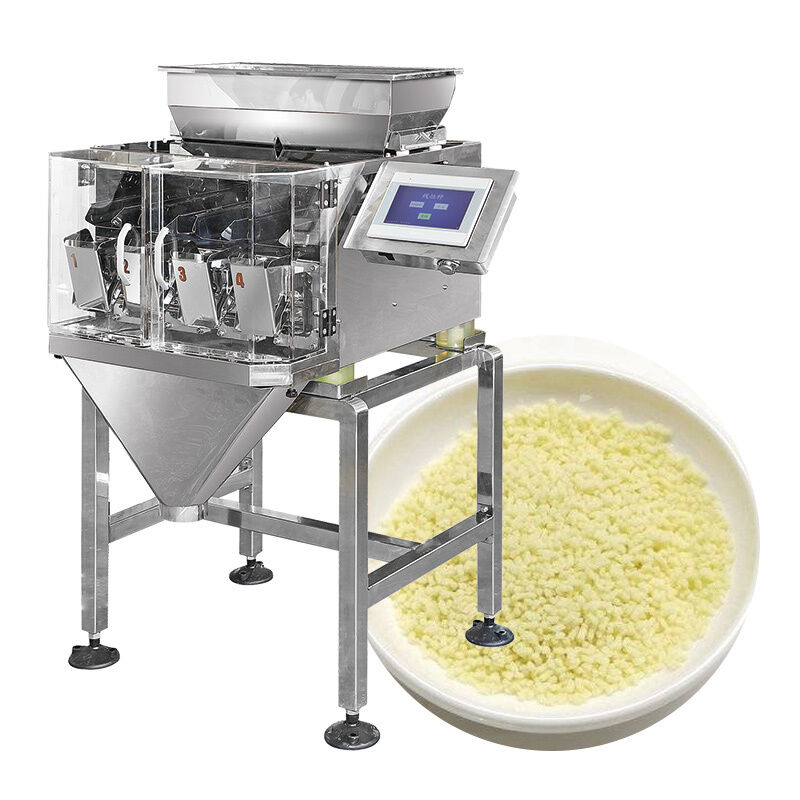
Flexible Design Linear Weigher and Multihead Weigher with Custom Solutions and High Weighing Accuracy
Flexible Design Linear Weigher and Multihead Weigher with Custom Solutions and High Weighing Accuracy
Place of Origin:
Guangdong, China
Brand Name:
TOUPACK
Certification:
CE,ISO9001
Model Number:
TOUPACK Multihead Weigher
Contact Us
Request A Quote

Product Details
Custom Solution:
Tailored Weighing And Packing Solutions Based On Your Production Needs
OEM Service:
Customized Machine Design And Manufacturing Support
Flexible Design:
Machine Structure Can Be Adapted To Different Applications
Application Customization:
Solutions Designed For Different Materials And Industries
Factory Direct Supply:
Direct Manufacturer With Competitive Pricing And Support
Turnkey Solution:
Complete Weighing And Packaging Line Customization
Payment & Shipping Terms
Packaging Details
Wooden box packaging
Payment Terms
L/C,T/T
RELATED PRODUCTS
Contact Us
Contact Now
Product Description
Linear Weigher vs Multihead Weigher: A Complete Guide to Choosing the Right Food Packaging Weigher
In modern food packaging production, selecting the appropriate weighing system is crucial for enhancing efficiency, minimizing material waste, and ensuring consistent product quality. Linear weighers and multihead weighers represent two prevalent automatic weighing solutions employed in food packaging lines. While both machines are engineered to deliver precise weight control, they operate on distinct principles and cater to different production requirements.
This comprehensive guide examines the fundamental differences between linear weighers and multihead weighers, covering working principles, accuracy, speed, applications, cost considerations, and selection criteria for optimal packaging line integration.
Understanding Linear Weighers
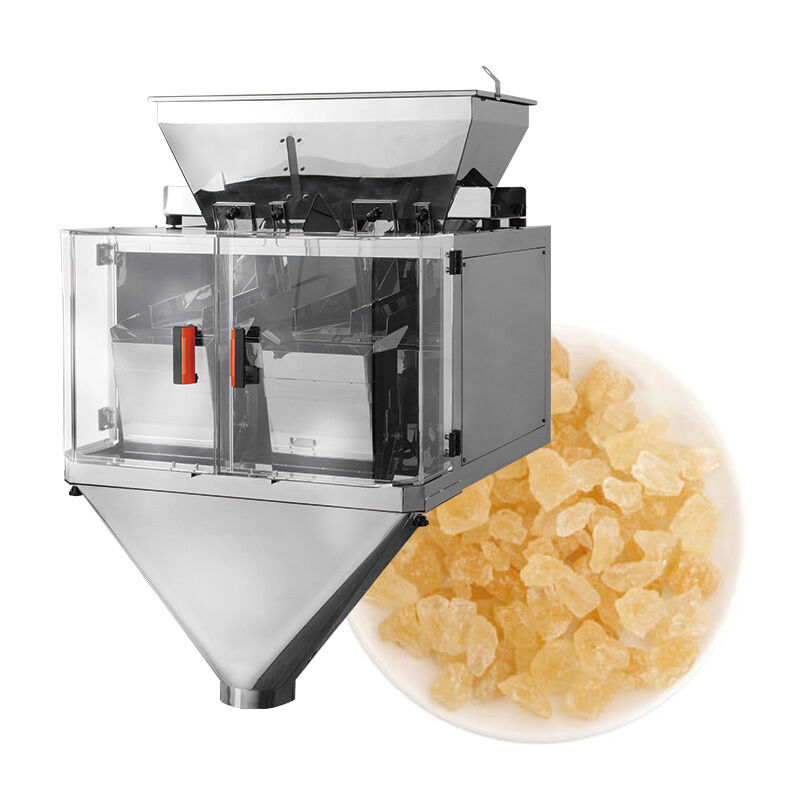
A linear weigher is an automatic weighing machine that utilizes one or several weighing hoppers to achieve target weights through controlled product feeding. During operation, products are conveyed into weighing hoppers via vibration channels. Once the target weight is attained, the hopper opens and discharges the product into the packaging machine.
Key Characteristics
- Simple mechanical structure and straightforward operation
- Lower initial investment cost
- Optimal for stable, uniform products
- Ideal for low to medium-speed packaging applications
Typical Applications
Linear weighers are extensively utilized for:
- Rice and grains
- Sugar and sweeteners
- Seeds and legumes
- Spices and seasonings
- Granular materials
- Powder and small particle products
For products with consistent weights and moderate speed requirements, linear weighers deliver practical and economical weighing solutions.
Understanding Multihead Weighers
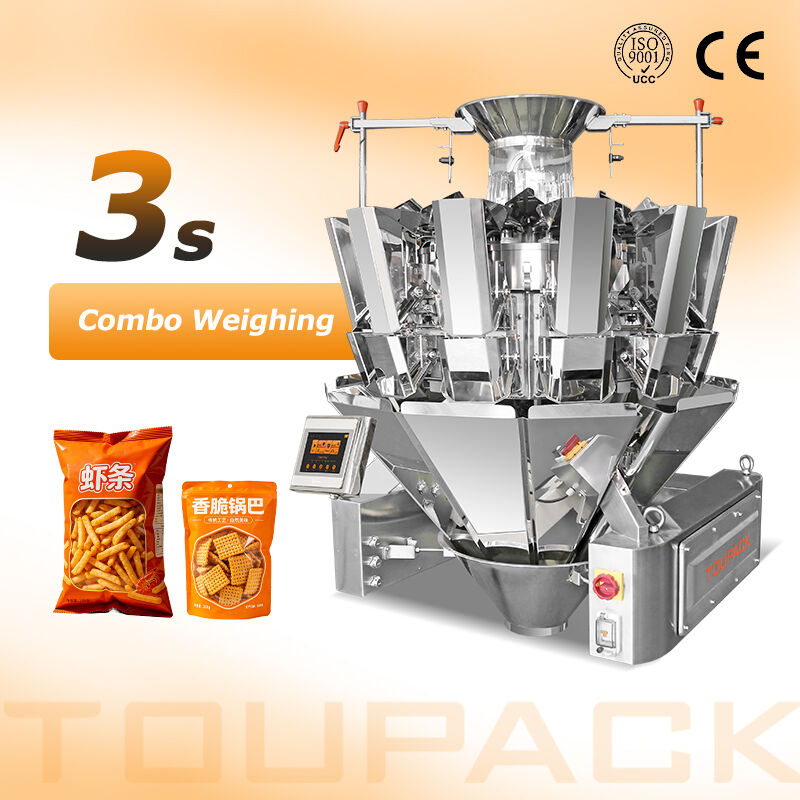
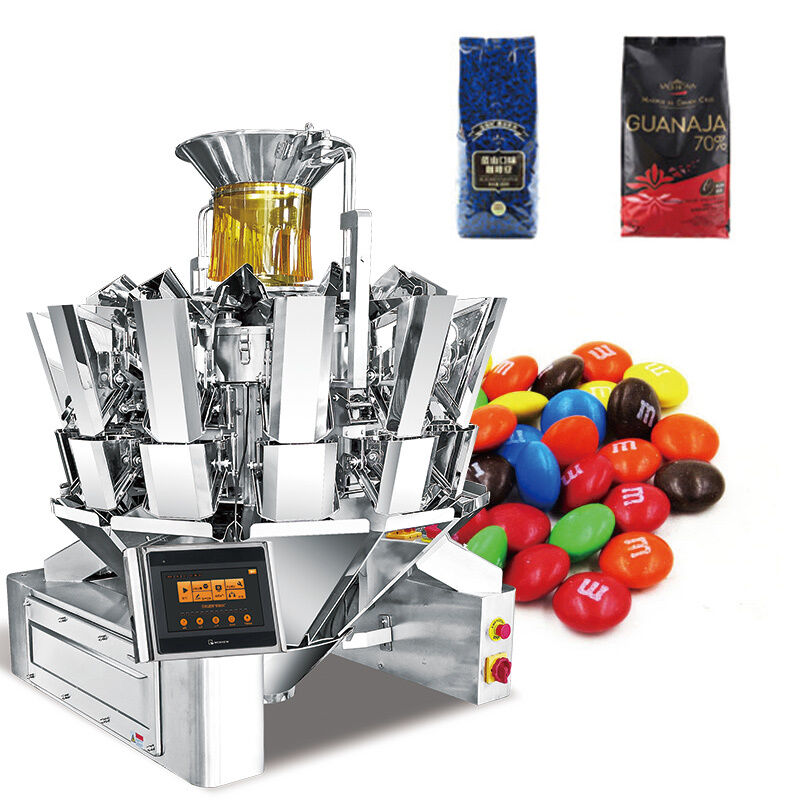
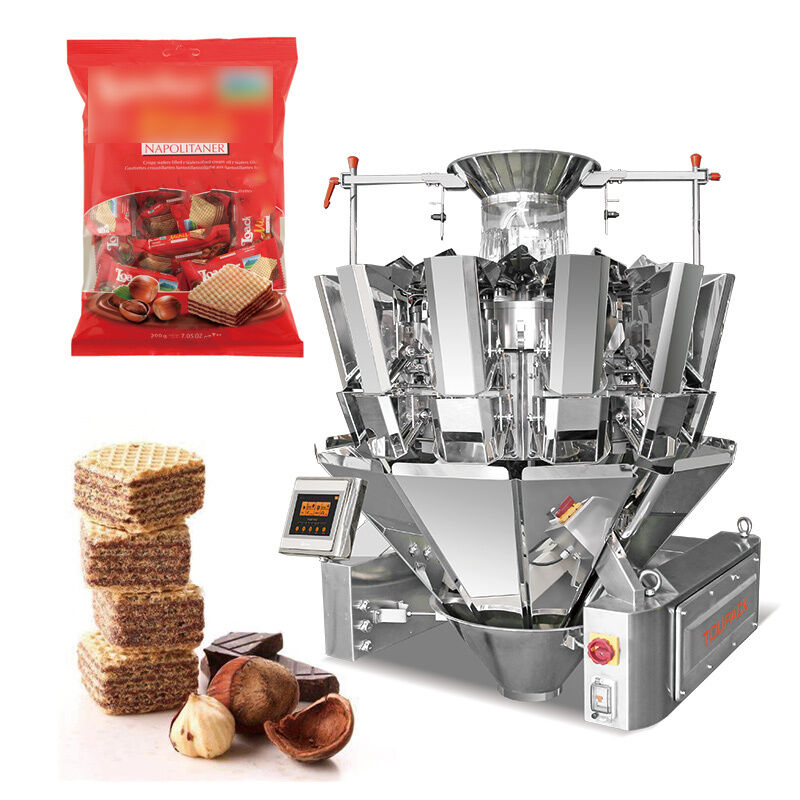
A multihead weigher, commonly referred to as a combination weigher, represents an advanced automatic weighing system employing multiple independent weighing heads with intelligent combination algorithms to achieve exceptional weighing accuracy. Each weighing hopper measures varying product quantities, while the control system calculates optimal combinations to reach target weights with minimal product giveaway.
Key Characteristics
- Multiple weighing heads for simultaneous operation
- Intelligent combination calculations
- Superior weighing accuracy
- High production speed capability
- Flexible weight adjustment options
Typical Applications
Multihead weighers are widely implemented for:
- Snack foods and chips
- Nuts and confectionery
- Potato chips and crispy snacks
- Frozen food products
- Seafood and marine products
- Meat and poultry products
- Pet food and animal feed
- Fresh fruits and vegetables
For high-volume food production environments, multihead weighers deliver enhanced efficiency and superior cost control.
Technical Comparison: Linear Weigher vs Multihead Weigher
| Feature | Linear Weigher | Multihead Weigher |
|---|---|---|
| Working Principle | Single or several weighing channels | Multiple hoppers with combination calculation |
| Number of Weighing Heads | Typically 1-4 heads | Typically 10-24 heads |
| Accuracy | Medium accuracy | High accuracy |
| Production Speed | Low to medium | High speed |
| Material Waste | Higher product giveaway | Lower product giveaway |
| Investment Cost | Lower | Higher |
| Suitable Products | Standard products | High-value and complex products |
Accuracy Analysis: Material Savings Comparison
A significant advantage of multihead weighers lies in their capacity to reduce product giveaway. For high-cost materials, even minimal excess grams per package can accumulate into substantial financial losses over production cycles.
For illustration: A facility producing 10,000 bags daily with 2g excess product per bag results in 20kg of material loss daily.
Multihead weighers address this challenge through intelligent combination algorithms that select the closest possible weight combinations, enabling manufacturers to:
- Significantly reduce material waste
- Enhance profit margins
- Maintain consistent package weights
Speed Performance Across Applications
Different production requirements demand specific weighing solutions:
| Application | Recommended Solution |
|---|---|
| Low-speed granule packaging | Linear Weigher |
| Sugar and spice packaging | Linear Weigher |
| Snack packaging | Multihead Weigher |
| Frozen food packaging | Multihead Weigher |
| High-speed VFFS packaging line | Multihead Weigher |
| Large-scale food production | Multihead Weigher |
For manufacturers prioritizing high-speed automated production, multihead weighers typically represent the preferred choice.
Selection Guidelines: Choosing the Right Weighing Solution
Opt for Linear Weigher When:
- Production speed requirements are moderate
- Product value is relatively low
- Weight accuracy requirements are not extremely stringent
- Cost-effective weighing solution is prioritized
Choose Multihead Weigher When:
- High-speed packaging is essential
- Product costs are significant
- Accuracy is critical for compliance or cost control
- Flexible weight changes are required
- Integration with automated packaging systems is necessary
TOUPACK Multihead Weigher Advantages
As an established manufacturer of intelligent weighing and packaging solutions, TOUPACK delivers customized weighing systems tailored to diverse food production requirements. Our multihead weighers are engineered to provide:
- Exceptional weighing accuracy
- Consistent performance reliability
- Optimized production efficiency
- Minimized material giveaway
- Seamless integration with VFFS packaging machines and complete packaging lines
From snacks and nuts to frozen food, seafood, meat products, and pet food, TOUPACK offers customized solutions to enhance packaging efficiency for manufacturers across the food industry.
Frequently Asked Questions
Is a multihead weigher more accurate than a linear weigher?
Yes. Multihead weighers employ multiple weighing hoppers with intelligent combination algorithms, enabling superior accuracy compared to traditional linear weighing methodologies.
Which weighing machine is better for snack packaging?
Multihead weighers are generally recommended for snack packaging due to their high-speed operation capabilities and precise weight control requirements typical of snack products.
Can a linear weigher replace a multihead weigher?
For simple applications with low-speed requirements, linear weighers can serve as suitable alternatives. However, for high-volume production demanding speed and accuracy, multihead weighers deliver superior performance.
Conclusion
Both linear weighers and multihead weighers offer distinct advantages tailored to specific operational requirements. Linear weighers provide ideal solutions for straightforward applications with moderate speed demands, while multihead weighers are engineered for manufacturers requiring enhanced speed, precision, and reduced product waste.
Selecting the optimal weighing solution depends on comprehensive evaluation of product characteristics, production capacity, packaging specifications, and investment objectives. Proper equipment selection ensures operational efficiency, cost control, and product quality maintenance throughout your packaging operations.
RELATED PRODUCTS
Send your inquiry directly to us